Which method finds which leak
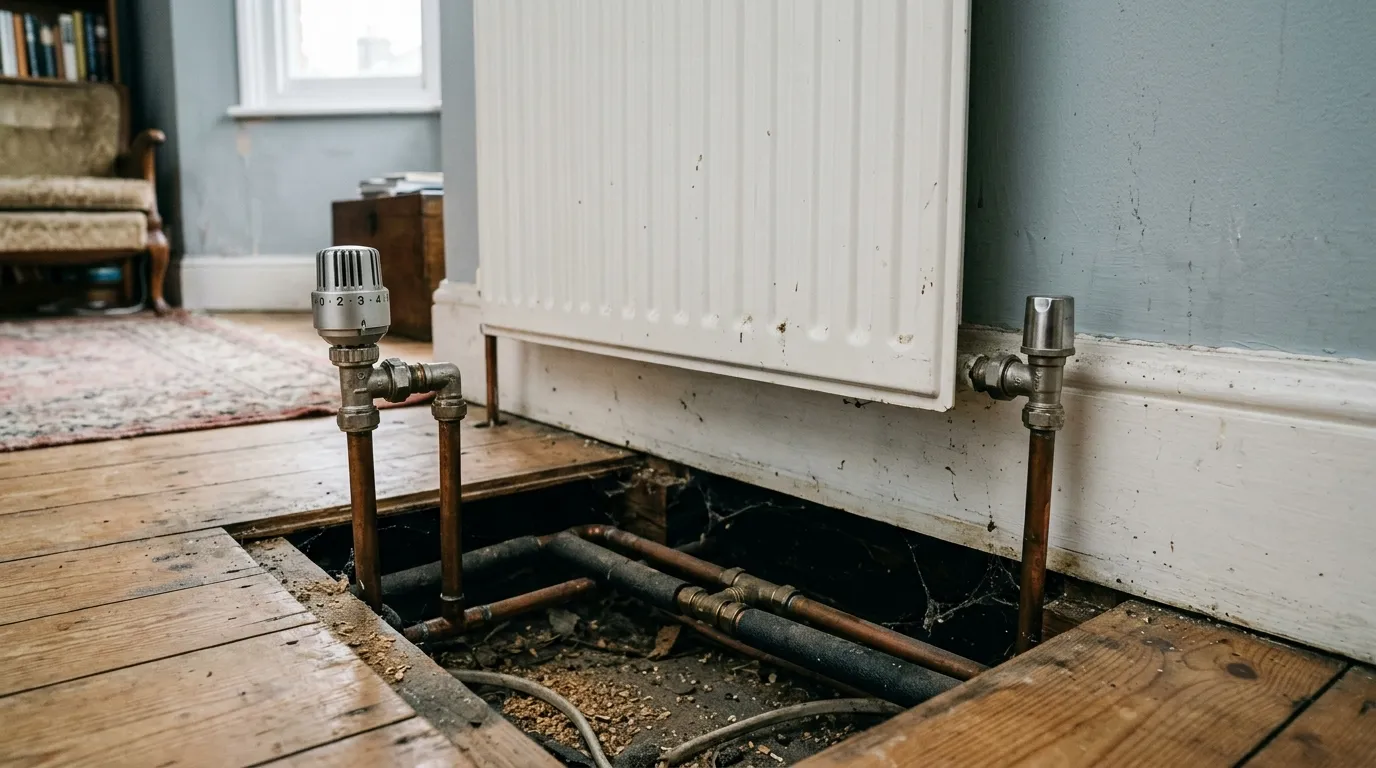
Acoustic listening, with ground microphones and contact probes, finds pressurised leaks by the noise they make escaping. It is the first choice on mains and on hot and cold under floors, and it works best on metal pipe.
Thermal imaging reads surface temperature differences, so it finds hot water leaks and underfloor heating faults by the warm plume they create, and it maps wet areas by evaporative cooling. It sees patterns, not pipes.
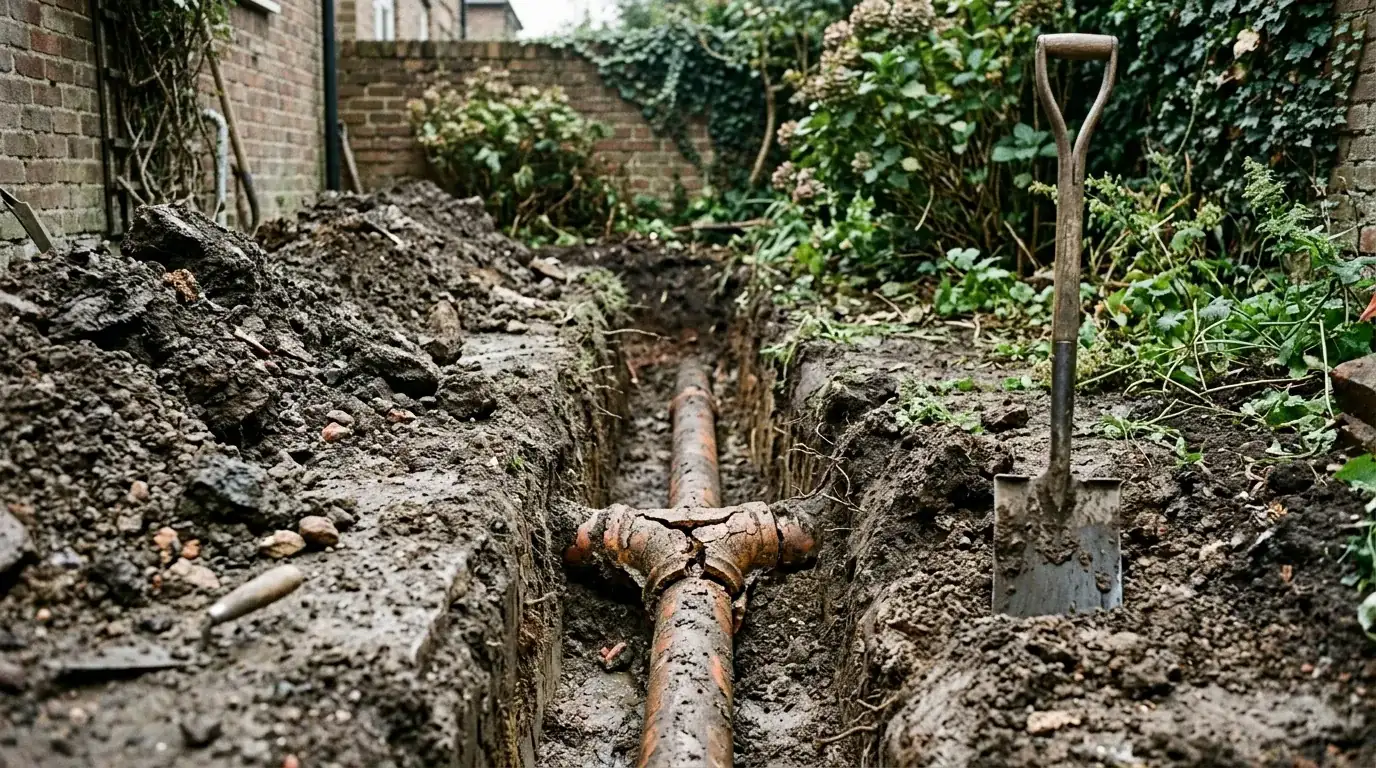
Tracer gas is the one that finds what the others cannot. The pipe is isolated and charged with a hydrogen and nitrogen mix, which is light enough to find its way up through screed, tiles and concrete, and a detector follows it to the point of escape. It works on plastic pipe and on unpressurised drains where there is no noise to hear.
Moisture mapping and salts testing then tell you whether a damp patch is an active leak or a historic one that has already been fixed, which is a question worth answering before opening anything.